Best Pole Barn Layouts for Agricultural Equipment Storage in Jackson, MI
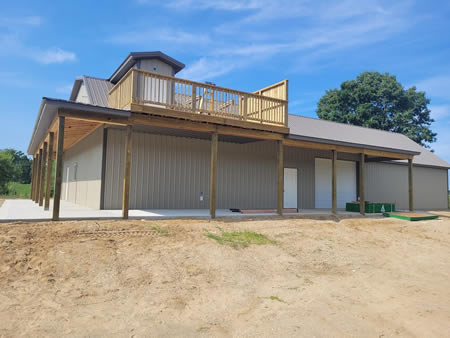
If you run a farm in Jackson, MI, the right pole barn layout makes daily work faster, safer, and less stressful. Thoughtful pole barn building service planning keeps tractors, combines, and attachments organized with room to maneuver. As Michigan weather cycles from lake-effect snow to wet springs, smart post frame building in Jackson, MI design helps protect your investment and extend equipment life.
This guide breaks down clear interior heights, door placement, and space plans that fit common machinery across Summit Township, Parma, Spring Arbor, Grass Lake, and nearby communities. You will find simple layout rules you can trust, so your barn works well now and still fits the next piece of equipment you bring home.
Know Your Equipment Footprints
Start with a real-world inventory. List every machine you plan to store this year, plus the ones you expect within the next three to five years. Note length with and without attachments, approximate width, cab height, and wheelbase or track spacing. The goal is a layout that lets you park, service, and move machines without tight turns or risky backing.
- Row-crop and utility tractors: allow generous mirrors-and-tires width, plus room for loaders or rear implements.
- Combines and heads: many owners detach heads for storage, so plan separate bays or racks for headers and carts.
- Planters and drills: folded dimensions can still be tall and wide, so measure true transport size, not field width.
- Skid steers and compact tractors: keep these near doors for daily use and quick snow or feed runs.
- Implements and attachments: augers, mowers, snow pushers, blades, and sprayers store best along long sidewalls.
Once you have measurements, sketch simple rectangles for each machine. Arrange them in zones: daily-use near primary doors, seasonal equipment deeper inside, and service space close to outlets and lighting. Leave at least 4 feet of walkway clearance around parked equipment so you can access cabs, service points, and implements without shuffling machines.
Door Placement, Widths, and Heights That Work
Door decisions make or break a farm storage building. A well-placed main door saves you hours each season. Secondary doors add options for snow days, wet ground, and busy harvest nights.
For most farms, a front gable-end main door paired with a sidewall service door works well. The gable-end opening allows straight entries for the longest machines. Sidewall doors give you a short path for daily-use tractors or utility vehicles. If your driveway or approach lane forces a certain angle, match the main door to that approach to avoid tight turns.
As for size, plan door width and height by your largest machine. Always size doors to the widest and tallest machine you own, then add a margin for mirrors, lights, or tire chains. Many Michigan farms choose 14- to 16-foot-tall main doors for large tractors or combines with cabs. Sliding doors are cost-effective and simple. Overhead or hydraulic doors seal better and open quickly in winter. For mixed fleets, a tall gable-end door plus a 12-foot-tall side door covers most daily needs.
Ceiling Heights and Clear Spans for Safe Maneuvering
Interior height and clear spans are about comfort and safety. You want to move without fear of clipping lights, heaters, or purlins. For many operations, a 16-foot eave height offers good flexibility. Taller is helpful if you lift buckets high, stack pallets, or plan a mezzanine or loft for parts. Choose 14- to 16-foot-tall doors if you regularly store large tractors or combines, and pair them with an eave height that gives you added room for lighting, fans, or radiant heat.
Clear-span post frame designs avoid interior columns, making it easier to park wide implements and turn longer trailers. If you plan to wrench on equipment indoors, reserve an open bay where you can swing loaders or booms without obstructions. A smooth, sealed floor and bright task lighting reduce slips and improve visibility during winter repairs.
Smart Layouts For Multi-Equipment Farms
Most Jackson-area barns serve many roles. You may park a combine next to feed totes and keep a compact tractor ready for snow. Simple zoning keeps things tidy and safe:
- Primary bay: longest, tallest machines that need straight-in access.
- Daily-use strip: tractors with loaders, skid steers, and UTVs near a side door.
- Attachment wall: racks for buckets, snow pushers, mower decks, blades, and forks.
- Service corner: workbench, parts shelves, compressor, hose reels, and bright task lighting.
- Seasonal storage: headers on carts, planters, or hay tools deeper in the building.
If you change setups by season, consider painted floor stripes or hanging signs to mark each zone. It keeps helpers and family on the same page during busy weeks.
Traffic Flow, Turning, And Safety
Think through the path from the driveway to each bay. Long wheelbases need wide turning arcs. Place the main door where you can approach straight-on. If you must angle in, leave a generous apron and keep light poles, propane tanks, and rock landscaping clear of the path. Inside, aim for an 8- to 10-foot aisle beyond implement widths to reduce multi-point turns. Never plan a layout that forces tight backing near people doors or workbenches. Keep pedestrian doors away from high-traffic turning areas.
Site Orientation, Snow, And Michigan Weather
Post frame buildings around Jackson see heavy, wet snow, wind, and freeze-thaw cycles. Avoid door placement directly into prevailing winter winds if you can. A south or southeast main door often warms faster on sunny days, which helps melt ice at the threshold. Grade the site to shed water away from the barn and add stone base where tires track in mud during spring thaw. Good gutters and downspouts feeding to daylight keep interiors drier. Vent the ridge and eaves to control condensation, especially when parking snow-covered tractors indoors.
Snow storage matters too. Leave space along one side of the building for plowed piles so you do not trap your side doors. Keep fuel tanks, wellheads, and electrical panels out of the snow dump zone.
Power, Lighting, And Ventilation That Support Work
Even a storage-first barn benefits from a few strategic upgrades. Bright LEDs over aisles and work zones make winter repairs easier. Dedicated circuits for block heaters, chargers, and compressors reduce extension cord clutter. If you handle grain or seed, consider explosion-resistant fixtures and switches in dusty zones. Fans and ridge vents control humidity when you bring snowy machines inside. Overhead hose and cord reels keep floors clear and safer.
A shallow utility room by a side door can store filters, fluids, and cold-weather gear. It also buffers heat loss when people come and go during service work.
Door Types: Sliding, Overhead, Or Hydraulic?
Each has strengths. Sliding doors handle large widths and are simple to maintain. Overhead doors seal well and open fast in wind and snow. Hydraulic one-piece doors create full-height shade when open and offer a tight seal, which helps when storing sensitive seed or electronics in cabs. Match the door to your wind exposure, daily frequency of use, and desired weather seal. On mixed fleets, a tall sliding gable door plus an insulated overhead side door is a practical combination.
Plan For Growth And Attachments
Farms change. What fits today may feel tight in two seasons. Plan for at least 10 percent future growth in floor area and consider adding framed knock-out bays for later expansion. Inside, design a long wall for attachment racks. Keeping buckets, forks, mower decks, and snow tools off the floor frees up space for tires and safer walking paths. If you run multiple quick-attach systems, label hooks and shelves by machine to avoid mix-ups at 5 a.m.
Simple Floor Plans That Work In Jackson, MI
Here are three proven layouts many Michigan growers like:
Two-Bay Straight-Through: A tall, wide gable-end door opens to a straight aisle with the longest machines nose-to-tail. A sidewall door serves daily-use tractors. This is efficient for rectangular sites and easy snow clearing.
Center Aisle With Side Parking: A central drive-through lane with perpendicular parking along both sides. Works well when you have many implements and want fast access without moving the big tractor.
L-Shape With Protected Work Corner: A main bay for equipment plus a shorter wing for a service area. The wing reduces dust near tools and keeps the workbench out of the traffic lane.
For any plan, align doors with your approach lane and keep the apron free of obstructions. If you run grain carts or long trailers, test turning paths on paper or with cones in the yard to confirm your clearances feel comfortable.
Material And Durability Choices For Michigan Farms
Post frame buildings suit our climate because treated posts, engineered trusses, and steel panels handle snow, wind, and temperature swings well. Inside, consider washable wall panels behind work areas and at the attachment wall. They clean up after muddy days and protect insulation. Good air sealing and venting control condensation when you bring in snow-packed equipment. If you plan radiant heat or a wash bay later, set the layout now so utilities and drains fall along one side for simpler upgrades.
When To Choose A Bigger Footprint
It is tempting to build the smallest barn that fits today’s lineup. But crowding costs time and increases risk. If you run a combine, large-frame tractor, planter, and several attachments, going wider by one bay can prevent constant shuffling. A deeper building also helps if you prefer straight-in parking. Look at your busiest week of the year and design to that peak, not the quietest month.
Local Support From Omni Builders
Omni Builders understands how Jackson-area farms work all year. Our team plans buildings around snow season, spring mud, and the long harvest push. We map traffic flow, pick the right door mix, and set clear interior heights so you can park and move with confidence. If you want a layout tailored to your machines, explore our post frame building for farm storage and see how a smart plan saves time every day.
For a broader look at structure types and add-ons that support ag operations, browse our services to spark ideas you can bring to the design table.
Ready To Build A Better Layout?
Whether you farm near Napoleon, Leoni, or Blackman Charter Township, the right plan pays off in safer movement, quicker starts on cold mornings, and easier maintenance. If you are unsure about door sizes or interior height, we can walk your yard and measure your equipment together. The simplest rule is to size for your largest machine, then add safety margin for mirrors, lights, and chains. From there, we zone the interior so daily-use tractors and UTVs stay near the door and attachments live on a dedicated wall.
Talk with Omni Builders about a layout for your farm. Call 517-403-4919 to schedule a site review, or start planning with our team through the pole barn building service page. We will help you set the right door mix, interior height, and traffic flow so your barn works on day one and keeps pace with your operation for years.