Post-Frame Garages: 24×24, 30×40, 40×60 - Which Size Fits Your Needs?
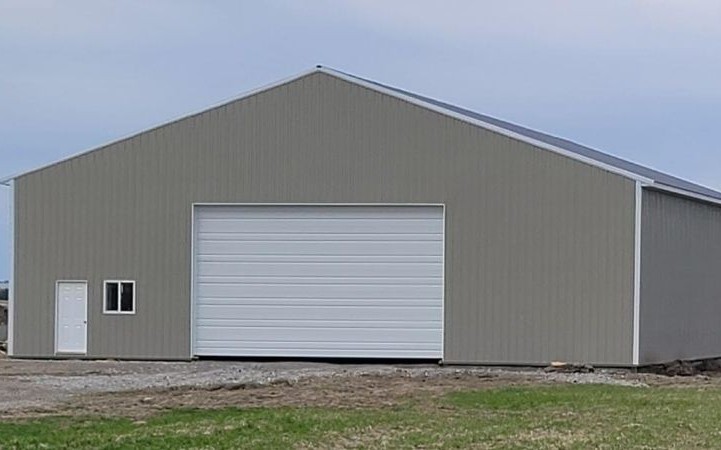
If you live in Ann Arbor, MI and you are weighing 24×24, 30×40, or 40×60 footprints, the right post-frame garage size comes down to how you drive, store, and work. In neighborhoods like Burns Park, Water Hill, and the Old West Side, lot shape and access can matter as much as square footage. Use this guide to match real-world vehicle sizes, workshop layouts, and seasonal needs to a garage that fits today and still works years from now.
For design ideas and structural options, browse our page on post frame garages. If you want a quick overview first, you can also explore post-frame garage sizes in Ann Arbor and come back here with a clear plan in mind.
How To Choose A Post-Frame Garage Size In Ann Arbor
Start with what will live inside the garage all year. Measure your longest vehicle bumper to hitch or plow, and your tallest setup, including roof racks or light bars. Think about side clearance for doors and mirrors during winter coats and boots. Factor in a bench, storage, and safe walking lanes, especially when snow piles up in Scio and Pittsfield Township.
- List vehicles and gear that must fit year-round, then add future items like a trailer or a second mower.
- Plan interior zones: parking, workbench, tall storage, and a clear path from the house door to the vehicle.
- Consider lean-to coverage for wood, trash carts, or a boat to keep the main bay open.
When in doubt, size for how you move in winter. Slush, boots, and open doors make tight bays feel smaller than the tape measure suggests.
Is 24×24 Enough? Who It Fits Best
A 24×24 post-frame garage gives two compact to mid-size vehicles a snug, workable home. It is common for homes near downtown where lots are narrow. This footprint shines when you need protected parking plus a modest corner for tools and a small workbench.
Best-fit scenarios around Ann Arbor and Ypsilanti:
- Two cars or a car plus a compact SUV with light storage.
- One vehicle and a dedicated hobby corner with a bench and wall-mounted racks.
- Lots where setbacks or tree lines limit width.
Watch-outs: Backing a full-size pickup with a long cab into a 24×24 can feel tight. If you expect a larger truck in the next few years, step up to 30×40 so you do not outgrow the space early.
Why 30×40 Feels Just Right For Many Homes
For many Ann Arbor homeowners, 30×40 is a sweet spot. Two vehicles park comfortably, doors open fully, and there is room left for a real work area. You can line one long wall with tall storage and still keep a clear 3 to 4 foot walking lane.
Typical uses in Dexter and Saline:
Two vehicles plus:
- A full-length bench with pegboard and drawers
- A mower, snow blower, and seasonal tire rack
- A parts-clean table or sharpening station
If you trailer a small boat or utility trailer, the extra length of a 30×40 reduces tight turns and jackknifing, especially on snowy driveways.
When 40×60 Makes Sense
Choose 40×60 when you need big-bay flexibility. This footprint handles a full-size truck and a second vehicle, plus a wide work zone, tall shelving, and a machine bay. It is well suited for properties in the townships where lot depth allows a larger footprint.
Good fits:
- A full-size truck or SUV with racks and a second daily driver
- A hobbyist or small-business workshop with dedicated fabrication area
- Future add-ons like a mezzanine storage platform or enclosed tool room
With more space, plan clear zones so daily driving stays simple. Keep parking close to the main door and group workshop tools near power and light to avoid long extension cord runs.
Door Heights And Widths For Trucks, SUVs, And Trailers
Overhead doors are the number one clearance pinch point. Mind the overhead door height first, then pick the width. Measure the tallest thing that may enter, including racks, beacons, hitch-mounted cargo, and snow gear. Many SUVs and standard pickups work well with 7-foot doors. Taller setups or mild lifts often need 8 feet. Box trailers, campers, and enclosed work vans may need more, depending on trim and accessories.
General guidance:
- Width: 9 feet per vehicle is common, while 10 feet improves mirror clearance in winter layers.
- Height: 7 feet for many daily drivers, 8 feet for many trucks with racks or light lifts. Measure the actual vehicle to be sure.
- Count doors: Two single doors reduce door-to-door dings. One double door simplifies turns for trailers.
Do not forget ceiling-mounted openers. Confirm opener rail height against the tallest roof point on your vehicle or trailer so nothing scuffs on the way in.
Smart Workshop Layouts For Daily Use
Good layouts respect how you work. Keep heavy tools near outlets. Leave a straight shot from the main overhead door to the bench you use most. Add a landing zone near the house door for snowy boots and coats.
Simple, high-utility layouts:
- Parking-first: Two side-by-side bays in front, continuous bench and storage on the back wall.
- L-shaped: Vehicles on one side, long bench and tall shelves on the other, with a mobile cart that rolls to either zone.
- Trailer-friendly: Extra depth along one side with a straight approach, so you can back a small trailer without three-point turns.
Material choices help a shop feel clean. Bright wall finishes and sealed floors reflect light and resist winter grime, which makes late-afternoon work in January less tiring.
Lean-To Space: Keep The Main Bay Clear
A lean-to protects firewood, lawn gear, kayaks, or a trailered boat without crowding vehicles. It is a smart add-on for narrow lots, because it recovers storage along the side yard while keeping the main bay open. For ideas that fit Southeast Michigan weather, see the advantages of post frame building and how the structure adapts to changing needs.
When you want examples of lean-to tie-ins and door placements that look original, compare layouts on our page for garage and lean-to options and sketch how your daily routes will use the covered space.
Plan For Michigan Weather And Site Conditions
Snow, wind, and spring rains shape smart decisions. In Pittsfield Township and Scio Township, drives can drift in winter and pool water in spring. That makes roof pitch, overhangs, and downspout discharge more than cosmetic.
Tips to keep the building performing:
- Plan clearance for gutters and snow slide where a tall roof meets an eave or lean-to.
- Place man-doors where drifting will be lowest and path lighting is simple.
- Think through plow routes so banks do not block the approach to your overhead doors.
Materials matter too. Corrosion resistant fasteners and trims stand up to road salt splash. Bright interiors keep winter work cheerful and safe.
Common Mistakes To Avoid
Most regrets trace back to three things: undersized bays, door height, and no plan for storage growth. Measure vehicle length with accessories like plows, hitches, and racks, not just the brochure spec. If you are choosing between two sizes and your lot allows it, stepping up one size often makes everyday use easier without feeling excessive.
Another trap is filling the garage with long-term storage. Keep deep shelves and seasonal bins against one wall or in a lean-to. That way, daily driving does not feel cramped and the path to the house stays clear when conditions are snowy or wet.
What About A Barn-Style Workspace?
If you want a bigger open span or plan to store equipment in the future, explore post frame barns. Many owners start with a garage footprint and later add a barn-style building for large gear, then connect the spaces with a lean-to walkway or matched overhangs so everything looks planned.
Your Next Step In Ann Arbor
Ready to choose a footprint and map your layout? Start with your must-have vehicles and tools, then your door count and height. From there, we will help you finalize details that handle Ann Arbor’s weather and your daily routes.
Talk with Omni Builders at 517-403-4919. Or begin planning by browsing our latest post frame garage designs and saving examples that fit your lot and lifestyle in Ann Arbor. We are here to help you build a space that works on the coldest February morning and the hottest July afternoon.