Top Deck Materials for Weathering Harsh Lakefront Seasons in Brooklyn
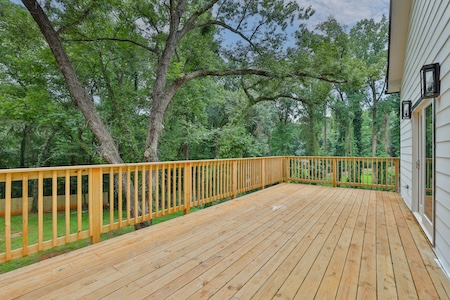
Living on Vineyard Lake, Clark Lake, Lake Columbia, or along the Irish Hills means gorgeous views and tough seasons. If you are choosing deck materials for a lake home in Brooklyn, MI, the right choice comes down to moisture, freeze-thaw cycles, and long-term wear. This guide breaks down how composite and treated wood hold up in high humidity and deep snow so your space is ready for everyday life by the water. If you want help designing the plan, our custom decks team at Omni Builders is here to make it simple.
Below, we compare durability, upkeep, and safety so you can feel confident before the first post goes in the ground. You will also see where each material shines around windy shorelines and shady lots near Brooklyn’s lakes.
What Lakefront Decks Face In Irish Hills
Lake effect and tree cover around Brooklyn bring steady moisture, cold snaps, and strong sun. Those swings stress boards, rails, and fasteners over time. Homes on or near the water also see more condensation under the deck and longer snow-pack in shaded coves.
- High humidity and splash zones raise the risk of swelling, rot, and surface mildew.
- Freeze-thaw cycles open hairline checks and loosen older fasteners.
- Snow-pack and spring melt keep boards wet for weeks, especially on north-facing lots.
- Wind off the lake pushes driven rain through railings and stair treads.
Composite Decking: Strengths For Humidity And Snow
Modern composite and PVC boards are engineered to resist water and stains. In lake neighborhoods like Vineyard Lake and Wamplers Lake, their biggest win is how they shrug off long, wet weeks each spring. Capped boards shed water, limit swelling, and keep their color when the sun returns.
In heavy Michigan snow, composite’s closed surface helps prevent meltwater from soaking in. That reduces freeze-thaw damage and keeps edges cleaner as piles linger in shady pockets. Many homeowners also like the traction patterns that stay grippy when damp.
Use a plastic shovel on composite, never metal, and brush snow with the grain to avoid scuffs. For more on tradeoffs, this take on composite vs. wood decks compares look, upkeep, and lifespan in Michigan conditions.
Pressure-Treated Wood: Where It Still Wins
Treated lumber remains popular for its natural look and classic feel. In Brooklyn, MI, it pairs well with wooded backyards and cottages near Clark Lake. When properly detailed and maintained, treated wood delivers strong structure and a warm surface.
That said, moisture is wood’s long-term challenge. Boards can absorb water, then check and cup as they dry. Snow-pack that sits for weeks can darken grain and speed up wear on high-traffic paths.
Choose ground-contact rated posts and framing where exposure stays high. Keep tight spacing on stairs for comfort and safer footing during spring thaw.
Head‑To‑Head: Composite vs. Treated Wood For Lakefront Living
Homeowners often ask which material lasts longer by the water. The better answer is which lasts longer for how you live. Here is a quick comparison focused on Irish Hills realities.
- Moisture resistance: Composite and PVC resist swelling and rot better than wood when humidity lingers around Vineyard Lake coves.
- Snow-pack longevity: Composite edges and cap layers handle freeze-thaw well; treated wood needs consistent sealing to slow checking after deep winters.
- Shade and debris: Composite cleans faster after leaf drop; wood can stain if wet leaves sit on boards.
- Heat and sun: Dark composites can run warm in July. Lighter colors and shaded sections help on west-facing shorelines.
- Upkeep: Composite needs simple washing; treated wood needs periodic sealing or staining to stay protected.
Framing, Fasteners, And Railings That Beat The Weather
Deck boards get the spotlight, but the parts you do not see decide long-term success. Around Brooklyn’s lakes, small choices extend life and safety.
Pick stainless or polymer‑coated fasteners and connectors in wet zones to fight corrosion. Hidden fasteners reduce surface penetrations where water can sit. For railings, many lake homes choose powder‑coated aluminum balusters with composite or wood top rails for a clean view and easier seasonal cleaning.
Ventilation matters too. Leave proper gaps and maintain airflow under the deck, especially near high water tables. Shore breezes help, but enclosed skirting should include screened vents so meltwater can dry out after April storms.
Design Choices That Help In Brooklyn, MI
Smart layout reduces water stress and winter wear. Many Irish Hills homes break up wide stairs with a mid‑landing so snow is easier to clear. Covered grill bays or small shade structures also shield the spots that see the most traffic and slush.
If you want shade and snow control without enclosing the whole deck, consider adding pergolas and shade structures on the sunniest edge. This keeps July heat off seating and helps snow melt evenly by blocking winter wind.
When To Choose Composite Over Wood
Pick composite if your deck sits close to the shoreline, catches steady spray, or lives under heavy tree cover. It is also a strong fit for second‑homes around Irish Hills where weekend maintenance time is tight.
Choose treated wood when you love a natural grain, plan to refinish on a regular cycle, or want to match historic cottage trim near Clark Lake and Wamplers Lake. A clear plan for sealing and shade pays off in both looks and lifespan.
Real‑World Scenarios For Lakefront Homes
Scenario 1: A north‑facing deck in a shaded cove on Vineyard Lake. Snow sticks for weeks and steps stay damp. Composite boards with textured surfaces improve traction, while aluminum rails shed water and reduce upkeep. Hidden fasteners keep the surface cleaner between thaws.
Scenario 2: A sunny deck atop a sandy rise near Lake Columbia. Afternoon heat can build fast. Lighter‑color composite or well‑sealed cedar helps with temperature. Add a small pergola over the seating zone and orient stair treads to encourage drainage downslope.
Scenario 3: A family deck in a wooded pocket off Jefferson Rd in Brooklyn. Leaves pile up each fall and spring pollen is heavy. Either material works, but composite makes cleanup faster. If you prefer wood, build in a routine to clear debris and refresh finish on schedule.
How Omni Builders Builds For Longevity
Our team designs custom decks around how you live by the lake. We plan airflow, drainage, and rail details first, then match materials to your lifestyle and maintenance goals. We also guide you to finishes and colors that stay comfortable in Michigan sun and safe once ice arrives.
If you are still weighing surface choices, this deeper look at deck resurfacing vs. rebuilding explains when a new frame makes sense before you upgrade boards and rails.
Keywords Homeowners Use And What They Mean
Many people search for “Brooklyn MI deck contractors” when they want fast, dependable help. Others type “lakefront deck design,” “moisture resistant deck materials,” or “Vineyard Lake home improvements.” All point to the same goal: a safer, longer‑lasting deck that looks great year‑round. If you are just getting started, our homepage is a simple place to explore best decking for Michigan weather options and recent projects.
Simple Rules That Make Any Lake Deck Last
Small habits protect your investment throughout the year in Brooklyn, MI. None require DIY know‑how, they just set expectations for care and use.
Keep heavy planters off the same board all season so moisture does not linger in one spot. Rinse pollen and lake dust as the weather warms. Ask our team about stair tread textures and rail profiles that stay comfortable in winter gloves and safe for kids and guests.
Ready To Plan Your Lakefront Deck In Brooklyn, MI?
Whether you want the crisp, low‑maintenance feel of composite or the warmth of treated wood, Omni Builders will help you choose what stands up to lake air, snow‑pack, and busy summers. Tell us how you use your space and we will design a durable layout around it. To start the conversation, call 517-403-4919 or explore ideas on our page for decks & porches before we visit your home in Brooklyn, MI.
If you are comparing “Brooklyn MI deck contractors,” meet the team that builds to your lifestyle and local climate. From Vineyard Lake to Clark Lake and across the Irish Hills, we help you pick materials that look good now and keep working after the next deep winter.